
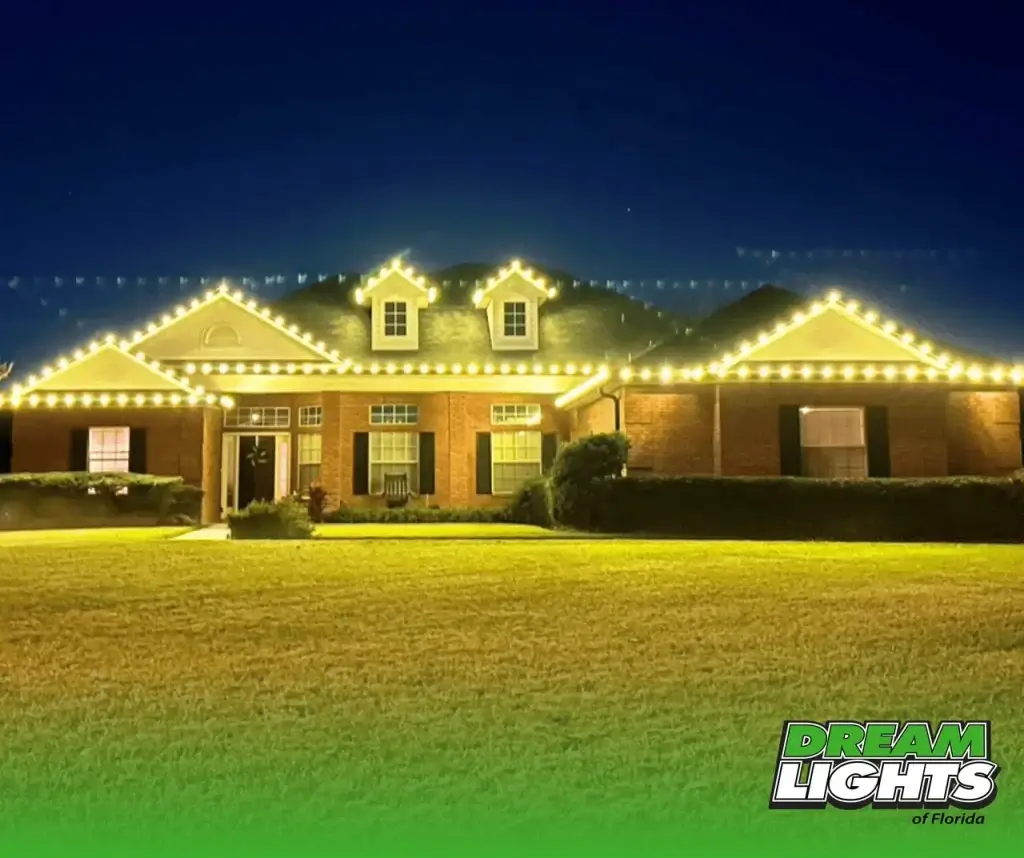
As the holiday season approaches, many of us look forward to transforming our homes into festive wonderlands with dazzling light displays. However, while decorating, a lingering concern often arises—are holiday lights energy-efficient? In this blog, we’ll explore the various aspects that contribute to the energy efficiency of holiday lighting installations, offering insights to help you make informed and sustainable choices.
What Are Energy-Efficient Holiday Lights?
Energy-efficient holiday lights use less electricity than traditional options, making them both cost-effective and environmentally friendly. Examples include LED lights, which consume significantly less power and have a longer lifespan.
In addition to LED lights, solar-powered lights are gaining popularity due to their ability to harness energy from the sun during the day and convert it into electrical energy for nighttime use. These lights not only reduce electricity bills but also decrease dependency on the power grid during the holiday season.
Another great option for energy-efficient lighting is the use of fiber optic decorations. They are not only visually appealing but also require a very minimal power source, which further enhances their eco-friendliness. Combining different types of energy-efficient lights can create a stunning and sustainable display.
Comparing LED and Incandescent Holiday Lights
LED lights use up to 75% less energy than incandescent bulbs and can last up to 25 times longer. They are also cooler to the touch, reducing fire hazards. Meanwhile, incandescent lights are cheaper upfront but higher in energy usage and replacement frequency.
While LED lights might come with a higher initial cost, their durability and low energy consumption make them a cost-effective choice in the long run. On the other hand, incandescent bulbs consume more energy due to the heat they emit, resulting in larger electricity bills over time.
Households opting for LED holiday lights can expect significant savings over the festive season. These savings, coupled with the reduced environmental impact, make LEDs a superior choice for those looking to marry festivity with sustainability.
Maximizing Energy Efficiency With Timers
Using timers to control when your holiday lights turn on and off can save a considerable amount of energy. Set lights to operate during peak viewing hours in the evening and turn off after bedtime.
Smart home technology takes energy efficiency a step further by allowing users to remotely control holiday lighting. This means you can adjust your lights even when you’re not at home, ensuring unnecessary usage is minimized.
To further enhance energy savings, consider investing in lights with built-in timers. These can be pre-set to turn on and off at specific times, automatically adjusting to daylight changes, making them more convenient and eco-friendly.
Energy-Saving Installation Tips
Position lights strategically to achieve maximum impact with fewer bulbs. Prioritize decorating key areas such as entryways and windows, which require fewer lights for visibility but still capture attention.
Consider using reflective ornaments to amplify the glow of your holiday lights. By doing so, you can reduce the number of lights needed while maintaining an impressive and festive ambiance around your home.
Incorporating a minimalist design approach can also lead to energy savings. By focusing on a few statement pieces or design elements, you can create a festive atmosphere without the need for additional light installations, further improving energy efficiency.
Illuminate the Holidays Sustainably
Opting for energy-efficient holiday lighting not only lowers your electricity bills but also contributes to a more sustainable future. By choosing the right lights, managing usage effectively, and combining holiday decorations with environmentally conscious practices, you can enjoy the festive glow without compromising on energy efficiency.