
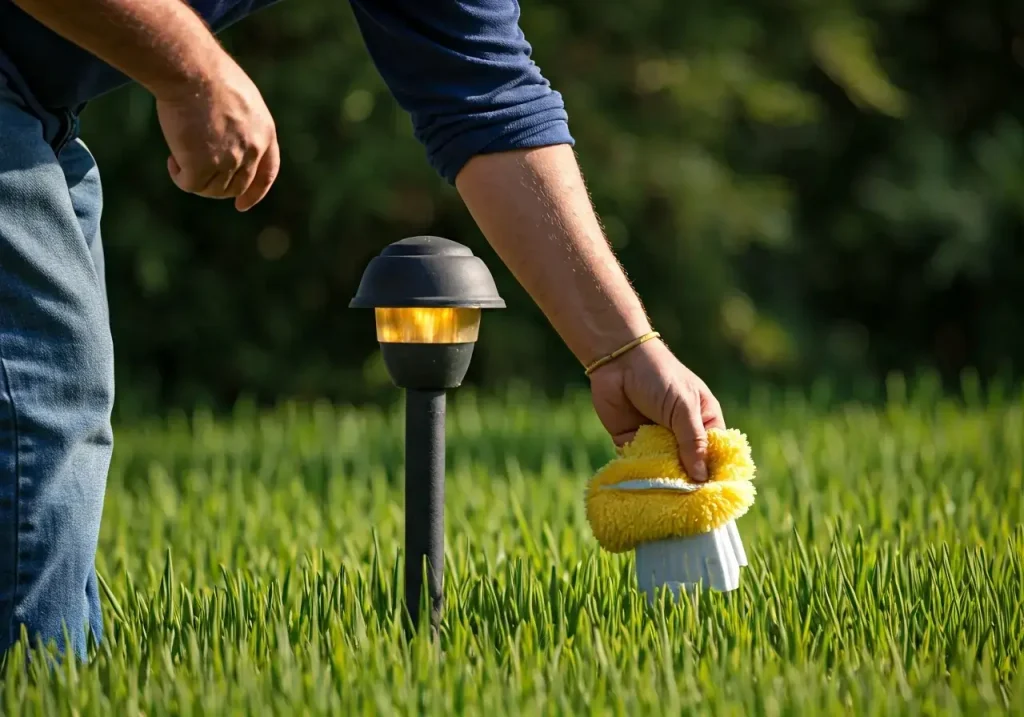
Outdoor lighting can transform your garden into a magical wonderland or a practical space for evening gatherings. However, keeping your lighting fixtures and systems in top condition requires a little TLC. Here are some smart and simple maintenance hacks that every homeowner should consider for a well-lit and welcoming home exterior.
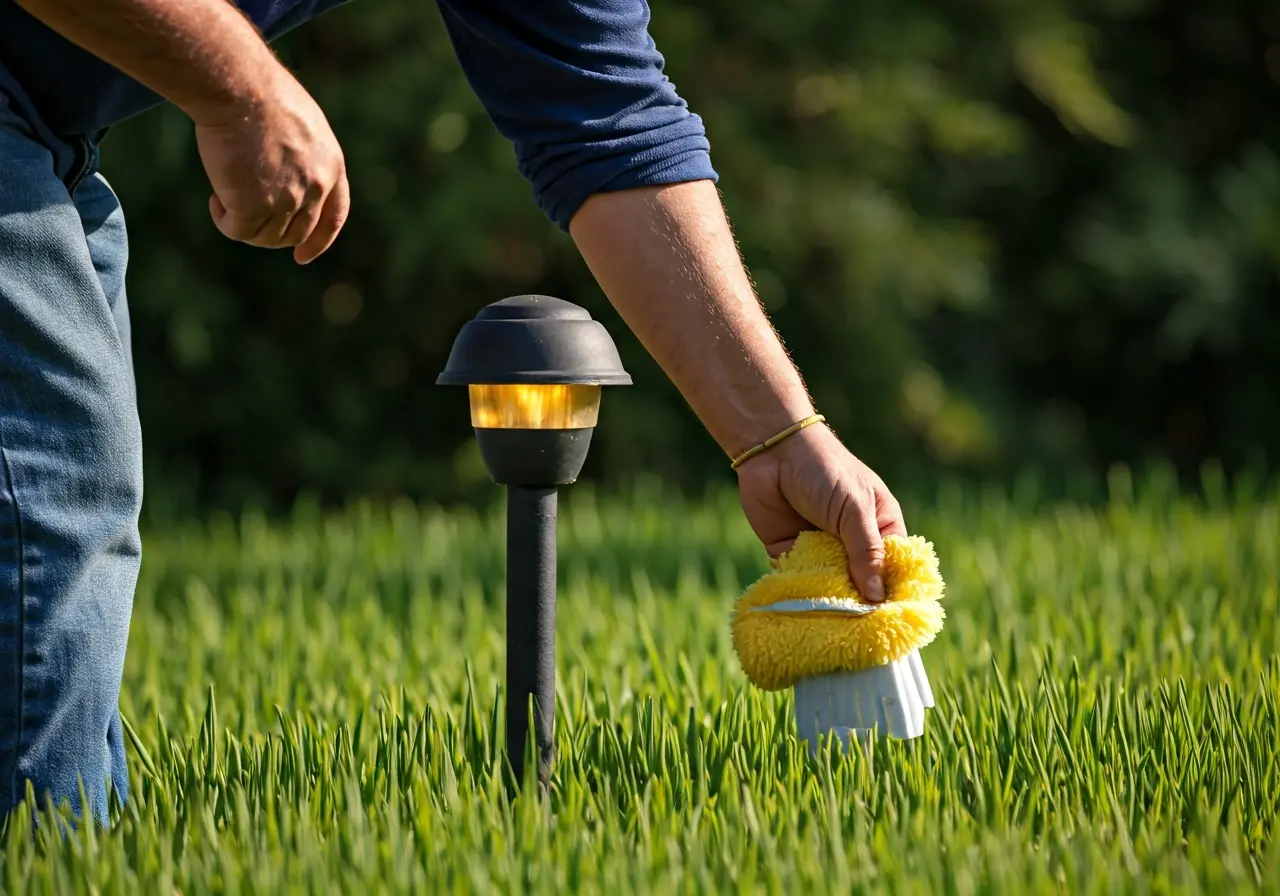
1. Regular Cleaning for Clearer Illumination
Dust, dirt, and debris can significantly reduce the light output from your fixtures. Regularly cleaning your bulbs and fixtures ensures that you get the maximum brightness from your lighting setup. This not only brightens up your garden but also helps your lights last longer. A soft cloth and some warm water can work wonders, but for those more stubborn spots, a gentle detergent can be your best friend. While cleaning, it’s also an excellent opportunity to check for any cracks or damages that might have gone unnoticed during day-to-day use.
Outdoor lighting fixtures often accumulate layer upon layer of grime due to various environmental factors. Over time, this buildup not only dims the light but can also cause permanent damage if left unchecked. By maintaining a regular cleaning schedule, such as monthly or bi-monthly depending on your environment, you can ensure that your outdoor spaces are always looking their best. A simple act of cleaning could save you from the cost of needing expensive replacements.
2. Check and Replace Bulbs as Needed
Bulbs have a finite lifespan and will eventually need replacing. By checking them periodically, you can replace any bulbs that are dimming or flickering, keeping your lighting consistent and reliable. It’s often a good idea to keep a few extra bulbs on hand for quick replacements. This can be particularly important during the festive season when good lighting can make your home the highlight of the neighborhood. Regular bulb checks prevent unexpected outages that may leave parts of your garden in the dark.
Flickering or dim bulbs can disrupt the ambiance you’ve worked hard to create. To stay on top of this, consider making bulb inspection a quarterly habit. For those who are interested in the environment and saving on electricity bills, switching to energy-efficient bulbs can be a worthy investment. These not only last longer but also consume less power, a double win for your wallet and the planet. In particular, LED bulbs are praised for their longevity and efficiency.
3. Inspect Wiring for Safety
Outdoor wiring is exposed to the elements, which can lead to wear and tear over time. Regularly inspect your wiring for any signs of damage or corrosion to avoid potential hazards. If you notice any fraying or chewed parts, possibly from curious wildlife, it would be wise to get a professional assessment to ensure safety. Regular checks will also help in identifying areas that might need waterproofing or additional protection to withstand the elements.
Typically, damage in outdoor wiring can result in annoying disruptions or, worse, safety threats. This is why it’s crucial to periodically examine every part of your lighting system to ensure everything is in top shape. A little prevention, like using protective covers or cordless options, can significantly reduce the risk of weather-related damages and prolong the life of your setup.
4. Secure Loose Fixtures
Wind and various weather conditions can gradually loosen fixtures. Ensure that all are securely mounted to avoid misalignment and maintain the intended lighting effect. This is especially important in storm-prone areas where the wind can be unexpectedly forceful. By tightening screws and checking mounts regularly, you not only maintain the aesthetic of your lighting but also avoid accidents. A secure fixture is essential for both safety and longevity of your outdoor lighting system.
5. Adjust Timer Settings for Efficiency
As the seasons change, the sunset and sunrise times shift. Adjust your lighting timers accordingly to maximize energy efficiency and keep your outdoor areas well-lit when needed. Your lights can be set to synchronize with natural light patterns, offering both convenience and savings. During the shorter days of winter, you might want to have the lights turn on earlier, while in summer, you can set them to activate later in the evening. This small change can make a big difference in your electricity bill.
6. Trim Surrounding Vegetation
Plants and bushes can obstruct the light from reaching the intended areas. Regularly trim vegetation around your light fixtures for unobstructed lighting. Overgrown branches or large shrubs can cast unnecessary shadows, impeding the effectiveness of your carefully planned lighting design. By keeping your garden well-maintained, you not only enhance the beauty of your landscape at night but also safeguard your lighting from potential damage due to overgrowth.
It’s easy to overlook how fast vegetation can grow and overtake your lighting design. Without regular trimming, trees and bushes may eventually wrap around light posts or obscure pathway lights, which could become a potential hazard. By integrating garden maintenance with your outdoor lighting care routine, you ensure that both elements work harmoniously. This balance makes your outdoor space not only beautiful and safe but also maximally efficient.
7. Protect Against Moisture
Moisture can cause significant damage to outdoor lighting, leading to possible malfunctions. Use waterproof materials and enclosures to protect your fixtures from rain and snow. Ensuring that your lights are water-resistant or sealed properly can prevent issues like short circuits or corrosion. It’s particularly beneficial in climates with high humidity or during rainy seasons, where moisture levels are typically higher. This proactive measure keeps your lighting system glowing through all weather conditions.
The importance of moisture protection can’t be overstated when considering outdoor lighting at risk of consistent exposure to rain or snow. Simple additions like waterproof covers can go a long way in preserving the integrity of your lighting setup. They shield bulbs and wiring from wet weather conditions, ultimately extending the lifespan of your entire lighting arrangement and helping avoid untimely replacements.
8. Upgrade to Energy-Efficient Bulbs
Consider switching to LED or solar-powered bulbs for a more sustainable and cost-effective lighting solution. They use less energy and last longer than traditional bulbs. Making the switch might seem an investment upfront, but the long-term savings on your energy bill and replacement costs could be significant. Moreover, these bulbs have a lower carbon footprint, making them a greener choice for those looking to live more sustainably. Upgrading to energy-efficient lighting is a win-win scenario for both the environment and your finances.
One of the most popular options among eco-conscious homeowners is the use of solar-powered lights. These lights harness the power of the sun to illuminate your garden when dusk falls, reducing your dependency on electricity. Additionally, the switch to LED bulbs can offer impressive energy savings due to their ability to convert a higher percentage of energy into light compared to incandescent bulbs. It’s technology that’s not only good for the planet but also better for your outdoor lighting projects.
9. Test for Sensor Responsiveness
Motion and light sensors can become less responsive over time. Regularly test and adjust these sensors to ensure they activate your lights as expected. Malfunctioning sensors could leave your areas dark when you need them most or cause lights to flicker unpredictably, which may waste energy. Sensors are integral to automating your lighting systems efficiently, and periodic testing ensures that they meet your lighting needs without fail.
10. Secure Connections for Consistent Power
Loose connections can cause your lights to flicker or go out. Check and tighten all connections to ensure a stable and uninterrupted power supply. A solid connection not only keeps your lights consistently bright but also prevents issues that could arise from erratic electricity flow. Addressing loose connections early can save you from dealing with future complications and costly repairs, ensuring your outdoor ambiance is never compromised.
11. Use Protective Grounding Techniques
Proper grounding is essential to prevent electrical hazards. Ensure your outdoor lighting system is well-grounded to protect against electrical faults. Poor grounding could lead to dangerous voltage spikes or short circuits, which are safety risks in any home environment. The peace of mind offered by a well-grounded system is invaluable, particularly in regions prone to storms or heavy downpours where electricity can become unpredictable.
12. Create a Maintenance Schedule
Developing a routine maintenance schedule helps keep everything in check. Regular assessments can prevent problems and maintain the beauty and functionality of your outdoor lighting. An effective schedule can include checks for fixture stability, bulb functionality, and wiring integrity. Not only does it help in addressing issues proactively, but it also extends the life of your lighting infrastructure, ensuring that your outdoor allure continues year-round.
The best schedules are straightforward and easy to follow, often involving monthly, seasonal, and annual tasks. You might choose to synchronize this schedule with your broader home maintenance routine for effective time management. By prioritizing regular maintenance, you avoid larger, more expensive repairs in the future, maintaining the elegance and safety of your property’s outdoor areas through a simple, easy-to-manage plan.