
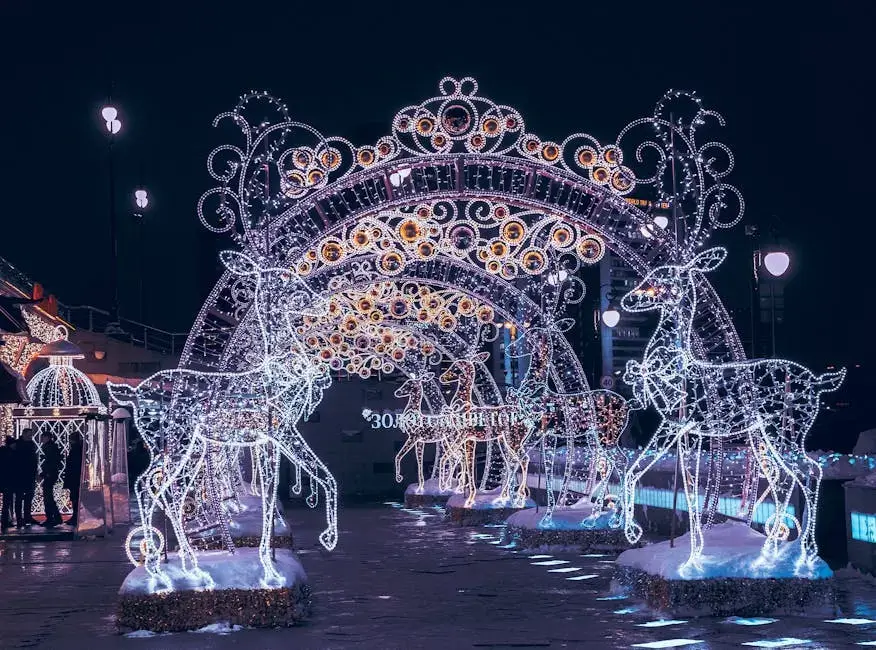
Lighting up your home for the holidays is a joyous tradition, but without proper planning, it can also become a source of stress. Whether you’re a seasoned decorator or a first-time enthusiast, avoiding common holiday lighting mistakes can save you time, money, and frustration. Let’s dive into the missteps to sidestep for a beautifully lit home this season.
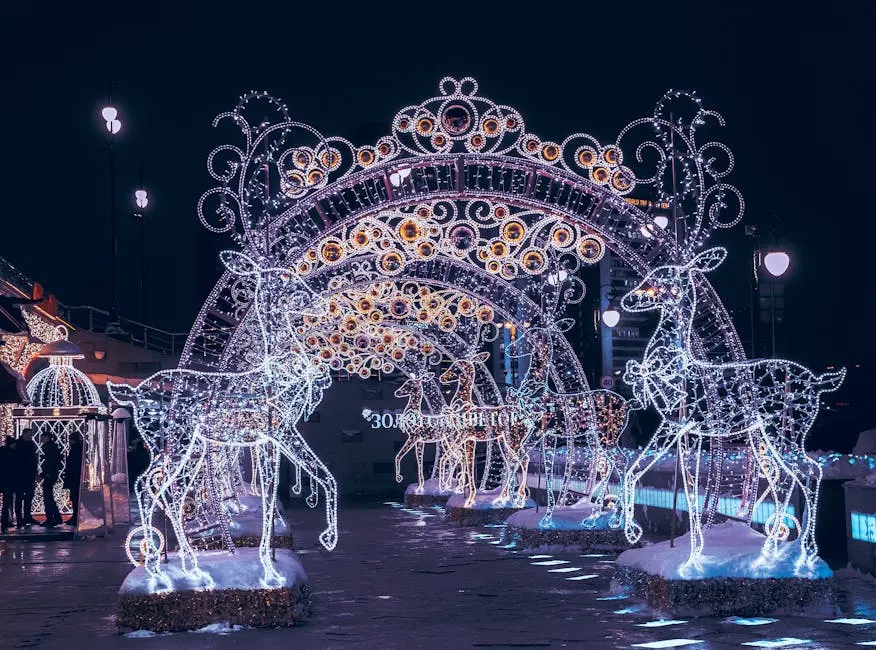
1. Skipping the Planning Phase
Jumping right into decorating without a clear plan can lead to uneven lighting and frustrating bare spots in your holiday decor. To avoid this pitfall, start by sketching a rough layout of your intended design. This doesn’t have to be a masterpiece; just a simple outline will suffice. Take inventory of your existing lights and other decorations, and note any additional purchases needed to execute the desired look. Consider the theme or color scheme you want to maintain throughout your display. A little forethought can streamline the process, turning a hectic chore into an enjoyable festive activity.
2. Neglecting to Test Lights First
There’s nothing more disheartening than hanging your holiday lights, only to realize that some strands are not illuminating as expected. Testing lights before installation is an essential step that can save you time and frustration later on. Simply plug them in and check for any burned-out bulbs or wire faults. This proactive approach allows you to replace faulty lights ahead of time and ensures a seamless installation process. Plus, it provides peace of mind knowing that your holiday display will shine brightly from the start.
3. Overloading Electrical Circuits
As you aim to create a dazzling display, it’s crucial to be mindful of electrical load capacity. Overloading circuits by connecting too many light strands to a single outlet can trip breakers, cause outages, and even pose a fire hazard. To prevent this, calculate the wattage of your lighting setup and ensure it doesn’t exceed the outlet’s limits. You might also consider spreading the load across multiple outlets or using a power strip with surge protection. Taking these measures ensures a safe and uninterrupted holiday lighting experience for your home.
4. Disregarding Weather Conditions
Weather plays a significant role in outdoor holiday displays, and ignoring forecasts can lead to damaged lights and decorations. It’s important to check the weather regularly and use weather-resistant lights designed to withstand rain, snow, and wind. Secure your lights properly using clips or ties to minimize the risk of them being dislodged. Additionally, consider placing sensitive electrical connections in waterproof boxes or covers to keep them safe from the elements. Adequate preparation will keep your lights looking pristine regardless of the weather challenges.
5. Using Indoor Lights Outdoors
Though it might be tempting to use indoor lights outside because they’re already in your holiday collection, it’s a mistake best avoided. Indoor lights are not crafted to withstand the harsh elements outdoors, which can lead to short circuits and other hazards. Always opt for lights that are explicitly labeled ‘outdoor’, ensuring they’re built to handle moisture and temperature fluctuations. This not only enhances the durability of your display but also keeps your holiday lighting safe and reliable throughout the season.
6. Improper Hanging Techniques
When it comes to hanging lights, how you mount them matters significantly. Using staples or nails, while quick, can damage your home’s exterior and potentially lead to broken wires, causing your lights to malfunction. Moreover, such methods can create holes that allow water penetration, risking further structural issues. Instead, invest in hooks or clips designed for holiday lights. These products not only minimize damage risks but are reusable and make for an easier setup and takedown process year after year.
7. Neglecting to Measure Your Space
Proper measurements are often an overlooked aspect of holiday lighting but crucial for a seamless fit. Without them, you might find yourself with too much or too little lighting, disrupting the visual harmony of your display. Measure the areas you plan to decorate and the length of your light strands, allowing for a few extra feet in case of errors. This ensures a neat, polished look and prevents the frustration of having to rearrange completed sections.
8. Failing to Maintain Consistency
A harmonious holiday lighting display often hinges on maintaining consistency throughout the decoration theme. Using mismatched lights—different colors, sizes, or patterns—can give your home a jarring and disorganized look. Select uniform light types for each section of your home. Whether you opt for warm white, multicolor, or a single color theme, consistency will help you achieve that picture-perfect ambiance, creating a cohesive and attractive holiday decor.
9. Ignoring Energy Efficiency
Incorporating energy-efficient lighting is not just environmentally savvy but economically wise too. LED lights, for example, use a fraction of the energy that traditional incandescent bulbs consume and last significantly longer. They remain cool to the touch, reducing any fire risk and cutting down on electricity bills during the holiday season. With options available in a multitude of styles and colors, transitioning to LEDs doesn’t mean sacrificing the traditional glow and warmth associated with holiday decor.
10. Not Securing Cords Properly
Cords running along pathways and driveways need to be secured to prevent accidents. Loose cords can be tripping hazards, especially when obscured by snow or darkness. Use outdoor-rated cable protectors or clips to keep them neatly in place and out of sight. This approach not only enhances safety but also maintains the visual cleanliness of your holiday decorations. By taking these steps, you ensure that your guests can safely enjoy your bright and beautiful outdoor lighting.
11. Overstretching Light Strands
Stretching your light strands beyond their intended capacity can result in damage and electrical issues. Each strand of lights is designed to cover a specific distance, and exceeding that by pulling them tight can cause breaks and eventual failures. If you find your lights falling short, use extension cords to bridge the gap safely. This not only prolongs the life of your lights but also ensures they function correctly throughout the holiday season, keeping your display luminous and intact.
12. Skipping Timers and Automation
Manual lighting control can become a hassle and often leads to wasted energy when lights are accidentally left on for extended periods. Installing timers and smart plugs is an easy way to automate your holiday lighting. By setting specific on-and-off times, you can effectively manage your energy consumption without daily intervention. Automation not only saves electricity costs but also adds convenience by ensuring your house lights up and dims down at preset intervals, enhancing the overall spectacle of your home.
13. Not Keeping Safety in Mind
Safety should always be a top priority when installing holiday lights. Periodically inspect all strands for signs of wear such as frayed wires or broken bulbs, and replace any faulty ones immediately. Position lights away from flammable materials like dry leaves or drapery to minimize potential fire risks. Using power strips with surge protectors is a good practice to safeguard against electrical surges. By making safety an essential component of your lighting setup, you can enjoy the holiday spirit without worry.
14. Neglecting to Store Lights Properly
When the holiday season comes to a close, proper storage of your lights can save you headaches next year. Coiling lights neatly around a spool or using a storage reel prevents tangling and damage. Store them in a dry, cool environment to prevent deterioration. Consider labeling your storage boxes with the type and length of lights they contain, making future setups more straightforward. Taking these simple steps now means that when the next holiday season rolls around, your lights will be ready to shine brightly once more.
15. Being Incomplete with Clean Up
After the holidays, rushing through cleanup may leave remnants like staples, clips, or even stray lights, which can complicate future installations. Thoroughly cleaning up your material not only ensures no excess clutter but also preserves the integrity of your home exterior. A calculated approach during takedown involves checking tools and making sure all fixtures are accounted for and stored properly. This diligence ensures ease with future setups, allowing you to start fresh with each new festive season.