
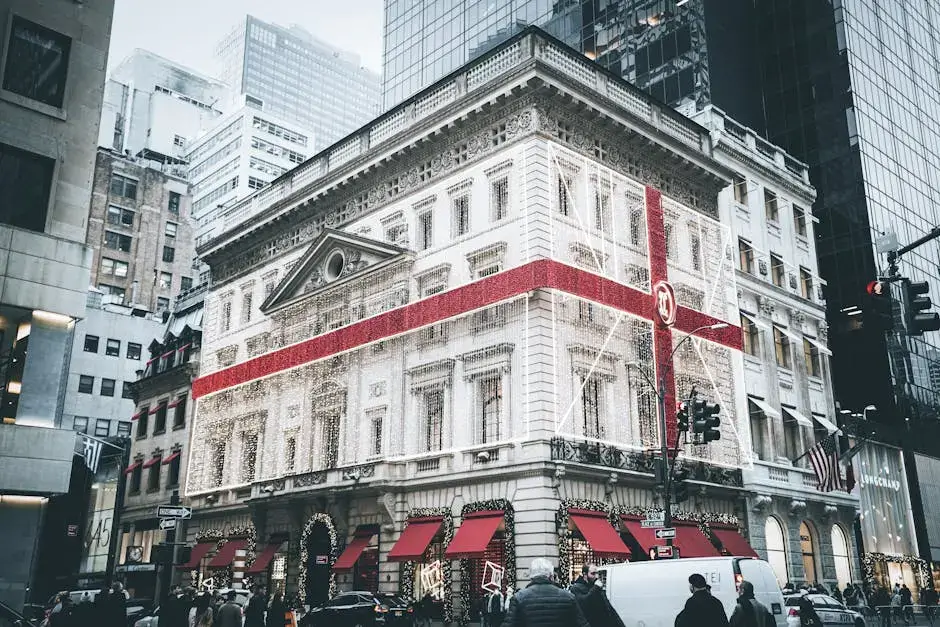
Decorating with commercial Christmas lights can transform any space into a festive wonderland, but getting those lights up can seem daunting at first. Whether you’re a business owner looking to attract customers or simply love the idea of a dazzling display, understanding the steps involved in installing these lights can make the process much smoother. Let’s walk through the process step-by-step.
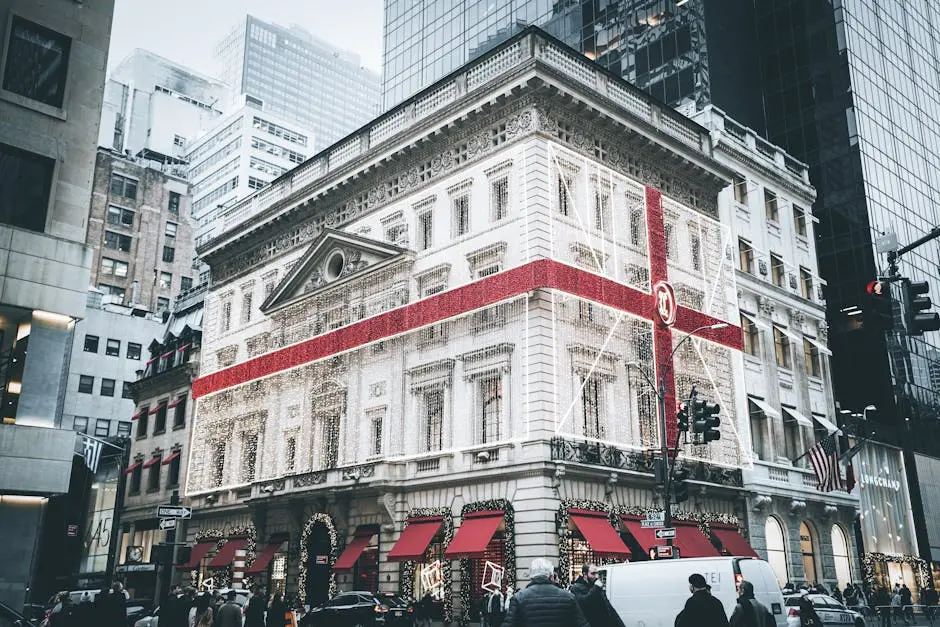
Step 1: Plan Your Design
Before you start, visualize the area you want to light up. Sketch out your design, consider the colors, and think about the overall effect you want to achieve. This planning will guide the rest of your steps.
A great design not only enhances the visual appeal but also complements the existing architecture and style of your property. The key here is balance and creativity. Whether it’s a grand entrance, a charming garden, or storefronts that sparkle, knowing your focal points helps in deciding the perfect lighting arrangement.
For larger areas, consider using a theme or motif. This could be anything from a classic winter wonderland to a more contemporary look with minimalistic elements. Be sure to estimate the number of lights needed; too few may look sparse, while too many can become overwhelming. Always err on the side of just right to maintain a professional appearance.
Step 2: Gather Necessary Tools and Materials
Collect all the items you’ll need, including the commercial Christmas lights, extension cords, timers, and any installation tools like clips or hooks. Having everything at hand will save you time and hassle.
Invest in quality tools and materials to ensure durability and safety. Commercial-grade lights are designed to withstand harsh weather conditions, which is especially important for outdoor displays. Make sure you have access to weatherproof extension cords and outdoor-rated timers to maintain the longevity and efficiency of your display.
Organizing your tools and materials beforehand streamlines the installation process. Ensure that you’ve got the right ladder for hard-to-reach places, and don’t forget gloves to protect your hands while handling the lights and equipment. Extra hook clips and zip ties can come in handy for securing lights in tricky spots.
Step 3: Ensure Safety First
Safety is paramount. Make sure to check all electrical wiring for damage and use outdoor-rated lights and extension cords. Additionally, set up your ladder securely if one is necessary.
It’s important to regularly inspect your equipment. Look for frayed wires, broken bulbs, and other signs of wear-and-tear before starting the installation. For those using ladders, ensure they are stable and placed on a level surface. If working at heights, consider using a safety harness to prevent falls.
Accidents can happen, so having someone to assist you is a good idea. They can help spot potential dangers you might overlook while focusing on the installation. It’s also beneficial to inform a colleague or family member of your plans, especially if you’re working outside business hours or in a remote area.
Step 4: Install the Lights
Start installing the lights according to your plan. Use the appropriate clips and hooks for your surface to ensure the lights stay secure, especially in adverse weather conditions.
Take your time during this phase. Rushing can lead to uneven lines or missed connections. Begin from the power source and work your way outward, ensuring each strand is securely fastened and connected. Remember, consistency is key to presenting a cohesive and professional display.
When installing roofline or elevated displays, work with the natural lines of the building to highlight architecture and add depth. Consider using energy-efficient LED lights for extended displays, as these not only consume less power but also last longer and remain cool to the touch.
Step 5: Test the Display
Once everything is installed, turn on the lights to ensure they work as intended. Adjust any sections as needed to create the perfect glow.
Check each section meticulously, especially around connecting points where technical hitches are most likely to occur. Watch for bulbs that refuse to light or strands that seem dim. Interference from electrical sources can affect performance, so repositioning might be necessary.
Perform testing during the evening to see the full impact of your work. This allows you to tweak and make adjustments under the same lighting conditions your audience will experience, ensuring your display looks its best when the holiday crowds arrive.
Step 6: Set Up Timers
For convenience and energy efficiency, program timers to turn the lights on and off at desired hours, ensuring your display is stress-free and runs smoothly throughout the season.
Programming your timer involves setting the on/off cycles that work for your schedule and audience visibility. Be mindful of local dusk and dawn times to maximize visibility throughout peak hours. This not only guarantees an energy-efficient setup but also ensures that your display turns heads at night and fades into the background during the day.
If your setup allows, consider smart integrations where you can control lighting remotely via Wi-Fi-enabled outlets or apps. This gives you the flexibility to make real-time adjustments and adds an additional layer of security by creating the illusion of an occupied space even when the premises are closed.
Bringing Your Display to Life with Ease
Installing commercial Christmas lights doesn’t have to be overwhelming. By planning ahead, gathering the right tools, and ensuring safety measures are in place, you’ll create a brilliant display that catches the eye and spreads holiday cheer. Enjoy your beautifully lit space and the joy it brings during the festive season!