
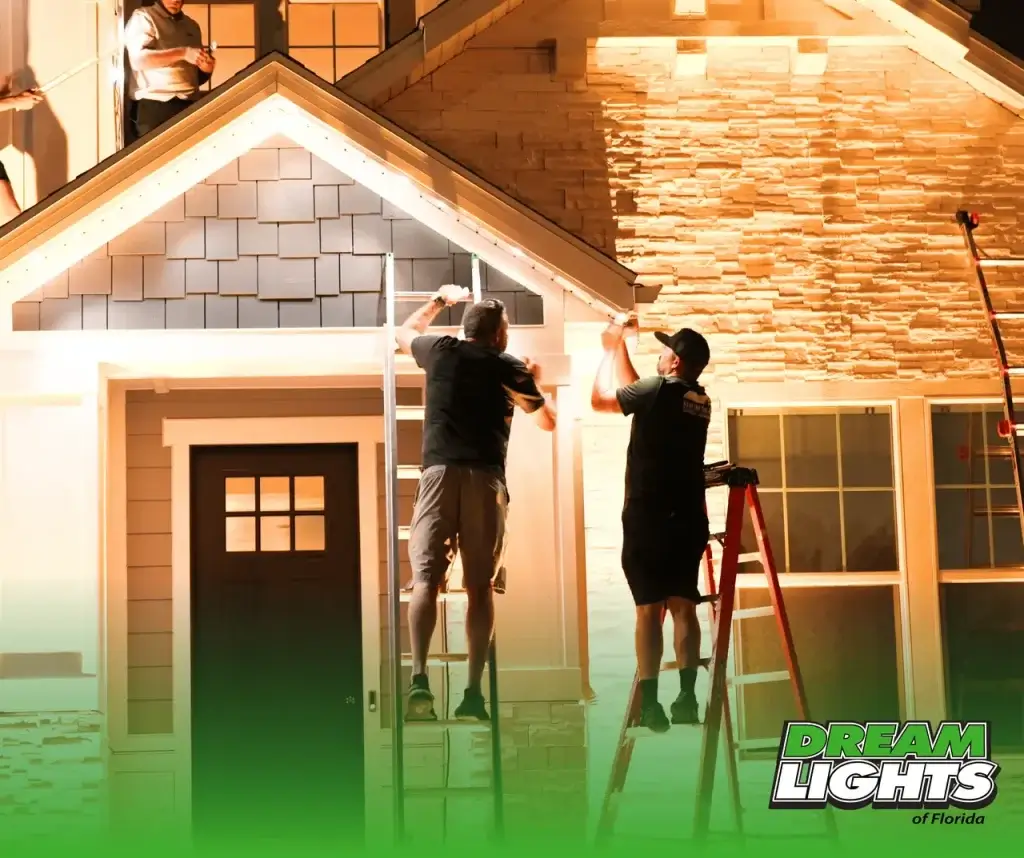
Outdoor lighting can transform your garden into a magical space, but without proper maintenance, it can quickly become a series of frustrations. Don’t let easily avoidable mistakes dim your backyard brilliance. Let’s dive into some common pitfalls that may be sabotaging your outdoor lighting setup.
1. Neglecting Regular Fixture Cleaning
Over time, dirt and debris can accumulate on your light fixtures, reducing their brightness and efficiency. Regular cleaning ensures that your lights shine as intended and adds longevity to your fixtures. Without this routine, you might notice a dimming effect that can take away from the desired ambiance of your outdoor space. Dusty or grimy fixtures not only diminish light output but can also lead to overheating and premature wear-and-tear on the bulbs. As you enjoy your outdoor spaces, make cleaning your fixtures part of your regular maintenance routine—your dazzling evenings depend on it.
2. Ignoring Bulb Replacements
As bulbs naturally burn out or dim, replacements become necessary. Procrastinating on this task can lead to uneven lighting and possible safety hazards. For instance, pathways may become less visible, posing a tripping hazard. You might also deal with increased energy costs as fading bulbs struggle to function efficiently. Regularly audit your outdoor lights and replace spent bulbs with energy-efficient options like LED lights that last longer and provide greater brightness, keeping your spaces well-lit and welcoming.
Ideally, staying ahead of bulb replacements means less downtime for your lighting system and more consistent performance. Consider keeping a small stockpile of spare bulbs that are compatible with your fixtures. This simple step can save time and trouble when a bulb inevitably burns out, ensuring your outdoor lighting always enhances your home’s safety and beauty.
3. Overlooking Cable Maintenance
Exposed or damaged wiring not only looks unsightly but also poses serious safety risks. Regular inspections and adjustments keep your setup safe and efficient. Tripping hazards, risk of electrical fires, and inconsistent lighting all stem from neglected wiring. Keeping cables securely buried or neatly arranged reduces the risk of damage from gardening tools or curious critters, like squirrels that can wreak havoc by gnawing on exposed wires. Schedule periodic inspections for frays or breaks and consider professional assistance from a lighting expert when needed.
4. Forgetting to Adjust for Seasonal Changes
Seasons affect everything from the length of darkness to foliage growth, necessitating adjustments in positioning and timer settings to maintain optimal light coverage. For example, longer summer days may require less lighting time, while the cozy ambiance of winter demands strategic placement to highlight your snow-laden trees and shrubs. Adjusting accordingly saves energy and maintains the intended vibe for each season. By proactively managing your lighting setup as the seasons change, you’re ensuring efficient operation and tailored illumination for year-round enjoyment.
5. Using Incorrect Bulbs
Compatibility is key. Using the wrong type of bulb can lead to inefficiency or damage. Always ensure that you’re using bulbs suited to your fixtures. Mismatches often result in them operating below optimal performance or failing sooner than expected. For example, LED bulbs provide excellent energy savings and crisp, bright light but require specific fixtures for heat dissipation. On the other hand, halogen bulbs may not be suitable for enclosed fixtures due to heat build-up.
6. Ignoring Fixture Positioning
Incorrect placement can result in uneven or excessive lighting. Regularly assess and adjust your fixtures to ensure they highlight the desired areas effectively. Ill-placed lights not only lose aesthetic value but can also create glare or shadows, diminishing visibility and functionality. Finding that sweet spot for each fixture maximizes your space’s ambiance, creating a welcoming and functional environment. Thoughtful arrangement and periodic reevaluation of your lights’ focus will enhance your outdoor atmosphere while ensuring safety and security.
7. Skipping Scheduled Inspections
Routine checks help catch potential problems before they become larger issues. Set reminders to inspect systems periodically. It’s during these inspections you’ll catch issues like faulty connections and corrosion that can interfere with operation and longevity. Being proactive with inspections makes it easier to account for wear and tear brought on by environmental factors like rain, snow, and wind, which can significantly impact your fixtures over time.
8. Overloading Circuits
Connecting too many lights to a single circuit can cause electrical failures. Be aware of load limits and distribute the lighting appropriately. Overloading makes circuits prone to tripping and may even pose a fire hazard, especially in older systems not designed for current usage demands. Plan your connections carefully and consult a professional if you’re unsure how to correctly distribute the electrical load across circuits, ensuring longevity and safety for your outdoor lighting system.
Layout planning and professional guidance underscore the importance of a manageable electrical load. It allows not just for optimal efficiency, but also for future-proofing, allowing seamless integration for future lighting expansions or upgrades without risking overloads.
9. Failing to Plan for Energy Efficiency
Thoughtful planning can drastically reduce your electricity bill. Consider energy-efficient options and smarter timers to save energy and money. LEDs, with their low energy consumption and long life, paired with well-regulated timers, ensure your outdoor space is both bright and budget-friendly. Planning not only involves what light sources to use but also leverages emerging technology in smart home integration, where motion sensors and daylight timers can autonomously manage your lighting for the optimal balance of energy savings and consistent lighting conditions.
10. Misunderstanding Transformer’s Capacity
Overburdening the transformer can lead to failures and inefficiencies. Make sure it matches your lighting load requirements to avoid any mishaps. A transformer that’s too small for your setup could overheat and burn out, while an oversized transformer may lead to energy wastage or reduced efficiency. Calculate your total wattage need properly before selection and consider expansion possibilities as your lighting plan evolves. Consulting with professionals can prevent such costly mistakes upfront.
11. Overlooking Timer Settings
Incorrect timer settings can run up costs and cause unnecessary light pollution. Regularly review and adjust timers to align with your needs. Effective timer configuration helps balance lighting use and energy consumption while ensuring pathways and key outdoor features remain illuminated for safety and navigation during optimal times. Smart timer solutions adapt to seasonal changes automatically, reducing the need for constant manual adjustments and ensuring your landscape lighting remains efficient and consistent year-round.
12. Neglecting Waterproofing Measures
Outdoor lighting must withstand the elements. Ensure all fixtures and connections are properly sealed to prevent moisture infiltration. Exposure to water, even in limited amounts, can cause significant electrical problems and corrosion, ultimately compromising your system’s efficiency. Practicing thorough waterproofing measures like sealing connections and selecting correct fixtures for wet locations are essential in maintaining reliability. Regular inspections for rust or weak seals and applying preventive measures to manage water buildup can significantly extend fixture lifespan.
13. Avoiding Professional Assessments
Professionals can provide valuable insights and detect issues one might miss. An occasional expert review ensures that your system is in great condition. They can suggest enhancements to current setups, offer the latest in lighting technology, and ensure that every component functions optimally. Leveraging professional expertise allows for a comprehensive diagnosis of any underlying issues, preventing unexpected failures and unnecessary expenditures in the future. Regular assessments from experts can also inform better decisions in upgrades or expansions.
14. Using Low-Quality Materials
Cutting corners with cheaper materials often leads to more frequent replacements and potential safety hazards. Invest in quality for durability. While initially more cost-effective, low-quality materials succumb to the elements rapidly, leading to increased maintenance and susceptibility to breakage. Investing in high-quality, weather-resistant fixtures pays dividends in the form of longevity and sustained performance over time. Additionally, superior materials contribute to better aesthetic value and reliability, fitting beautifully into a well-designed lighting plan.
15. Underestimating the Importance of Design
A thoughtful design amplifies your outdoor space’s aesthetics. Leveraging different lighting techniques can enhance your overall landscape. Design not only includes exterior lights but involves the strategic planning of light angles, intensities, and color temperatures to create an inviting ambiance that suits your style. Whether highlighting architectural details or drawing focus to garden features, well-considered design adds layers, balancing both function and flair. If you’re seeking expert assistance, our outdoor lighting design services can help you craft an enchanting backdrop for all occasions.
The creative use of lighting elements lets you transform mundane environments into spectacular nightscapes, making the most of your outdoor living spaces. With design as the cornerstone of your strategy, even simple light fixtures can turn into powerful visual statements.